







Israeli White Phosphorus Use Reported in Lebanon
A New York Times investigation cites verified footage and expert analysis indicating repeated use of white phosphorus munitions in populated areas of southern Lebanon.
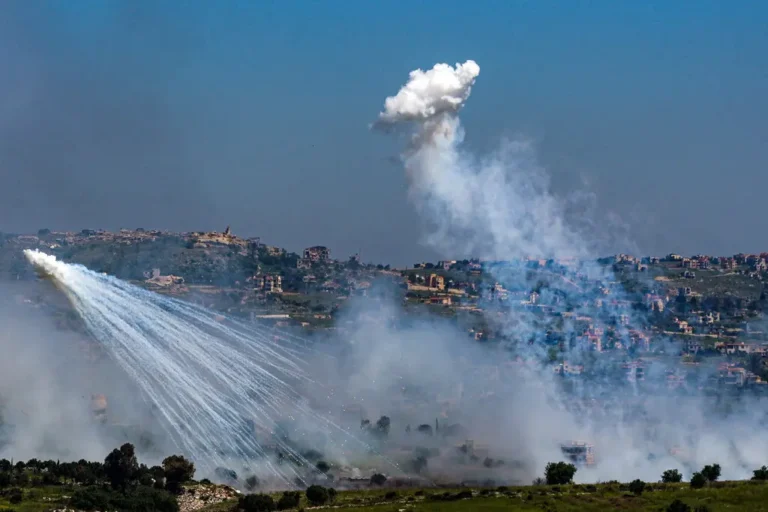
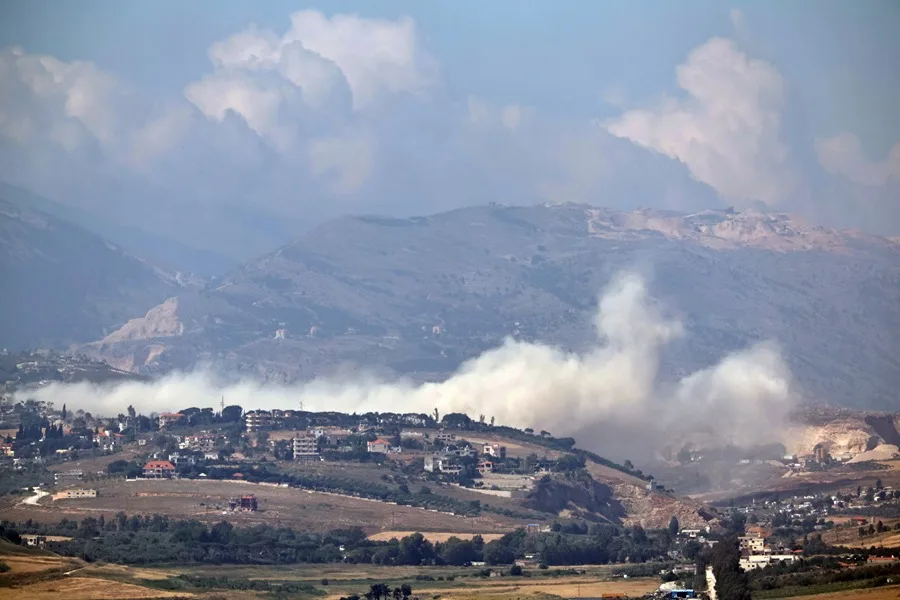
Reports of white phosphorus use in southern Lebanon have renewed concerns about the impact of military operations on civilian-populated areas. Photo: AFP
June 7, 2026 Hour: 3:11 am
🔗 Comparte este artículo
Investigation cites verified footage and expert analysis indicating the use of white phosphorus in populated areas of southern Lebanon.
Israeli forces have repeatedly used white phosphorus munitions in populated areas of southern Lebanon during their conflict with Hezbollah, according to experts, humanitarian organizations and visual evidence analyzed by The New York Times.
RELATED: Israel Attacks Lebanon Three Days After Agreeing to a Ceasefire
The newspaper reported that footage verified from May 30 showed the distinctive smoke trails associated with white phosphorus over the city of Nabatieh, which has a population of around 40,000. The images were recorded as Israeli forces captured Beaufort Castle, a prominent landmark in the region.
Additional footage verified by the newspaper indicated the use of white phosphorus near the coastal city of Tyre and around the towns of Qlayaa, Khiam and Yohmor in the months since fighting resumed between Israel and the Iran-backed Hezbollah movement in March.
White phosphorus ignites when exposed to oxygen and is widely used by militaries to produce smoke screens and start fires during combat operations. Although the substance is not banned under international law, its deliberate use against civilians or in civilian-populated areas violates international humanitarian law.
Human rights groups have expressed concern over the effects of the reported attacks on civilian communities in southern Lebanon. Israel has denied using white phosphorus in violation of international law, and the purpose of the incidents cited in the report remains unclear.
NYT said it asked the Israeli military about four specific incidents involving the use of white phosphorus in Nabatieh, Qlayaa, Khiam and Tyre, providing the coordinates of each location. The military did not comment on those cases. The newspaper also sought information about the army’s internal guidelines governing the use of the substance.
“The IDF procedures require that this type of shell not be used in densely populated areas, except for certain exceptions. This complies with and exceeds the requirements of international law,” the military said in a statement.
According to the report, Israel uses U.S.-manufactured 155mm M825A1 artillery shells containing 116 felt wedges coated with white phosphorus. The munitions are designed to generate dense smoke for five to ten minutes, providing battlefield cover for troops.
The shells can be configured to burst in midair, dispersing burning white phosphorus across a wide area. While this can create a smoke screen, it can also ignite fires wherever the fragments land. The munitions may also be set to rupture on impact, producing a single fire that militaries use as a visual marker for subsequent strikes.
Munitions experts who reviewed recent news agency footage and social media videos concluded that the images showed artillery shells detonating over Lebanese territory and releasing streams of burning white phosphorus. According to the report, their assessment was consistent with previous documented uses of U.S.-made M825A1 shells by Israel.
Author: MK
Source: La jornada / NYT